There's a painting I keep coming back to. It shows a narrow strip of waterfront on the Pearl River, sometime around 1800. Foreign flags — British, American, Dutch — flutter above a row of warehouses called the Thirteen Factories. And standing between those factories and the rest of China were a dozen merchants who controlled every bolt of silk, every chest of tea, and every ounce of silver that moved between East and West.
They were called the Cohong.
The Cohong (gōngháng, 公行) held an official monopoly on foreign trade in Canton from 1757 to 1842. If you wanted to do business with China during the Qing dynasty, you went through them. There was no alternative. Historian Jacques Downs called their world a "golden ghetto" — isolated and lucrative. But the Cohong merchants weren't just gatekeepers. They were guarantors. Every foreign ship, every person connected with that vessel — the Cohong took full responsibility. Their reputation was their licence.
American consul Samuel Shaw described them as "intelligent, exact accountants, punctual to their engagements, and, though none the worse for being well looked after, value themselves much upon maintaining a fair character." Trust was their moat.
Howqua, the most famous of them, was one of the richest men in the world — and he got there by being, in Shaw's words, an "exact accountant" who valued his "fair character." Not the colonialism that eventually destroyed the system, but the intellectual integrity that preceded it. That's the tradition I want to honour.
In 2024, I quit my job as CFO of a global family office. In early 2025, I moved to Hong Kong — the capital markets gateway to China's Greater Bay Area — to become what I call an "independent investor" — betting my livelihood on my ability to allocate capital independently, with total skin in the game.
(If you're wondering whether that was a rational decision: so am I, most mornings.)
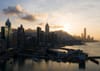
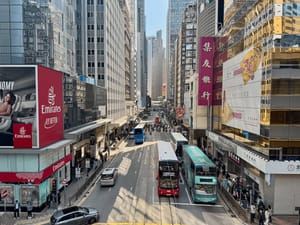
My edge, such as it is, lies in being here — in the same Pearl River Delta where the Cohong operated. Physical proximity doesn't guarantee insight, but it provides something no desk-based analyst has: the ability to check headlines against reality on the ground.
The problem facing anyone trying to understand China from the outside is that you're forced to choose between two flawed sources: mainstream media, which is often alarmist and data-poor, or sell-side research, which is conflicted by design. Neither gives you the context you actually need to make investment decisions.
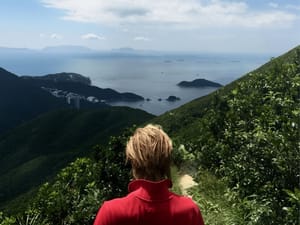
That's the job I'm trying to do — except instead of a warehouse full of tea, my tools are a pair of walking shoes, public filings, and conversations with locals.
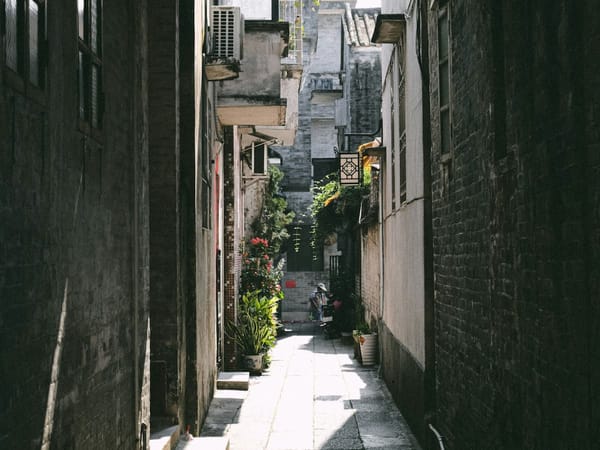
Cohong Lane is a specific address. I'm based in the Greater Bay Area — the same Pearl River Delta where the original Cohong operated — and this is where I do the work. A place you come when you want verified data and family-office discipline, not commentary optimised for clicks.
What You'll Find Here
Cohong Lane is the transparent research process of an independent investor whose bills get paid by the markets — I call it open-sourcing the workflow. My livelihood depends on getting these investment decisions right. This isn't a newsletter that happens to mention investing.
If you'd rather understand the mechanics of a Chinese policy document than read another breathless headline about “China's collapse” or “China's unstoppable rise” — Cohong Lane might be for you.
Welcome to the lane.